
Art Styles in Casino Branding: What Works in 2026
I have spent the last decade watching the gambling industry transform from a series of flashing lights into a sophisticated digital ecosystem. As we enter 2026, the visual landscape of casino branding has shifted again. It is no longer enough to throw some gold coins and a green felt background onto a homepage and call it a day. In my experience, players today are looking for an atmosphere that matches their digital lifestyle, whether that is high-speed mobile gaming or immersive virtual environments.
The branding of a casino is its handshake with the player. It is the first thing they see and the primary factor in whether they feel a platform is trustworthy or just another fly-by-night operation. In this article, I am going to break down the specific art styles that are dominating the scene this year and explain why certain visual choices are winning the war for player attention.
The Psychology of Visual Identity in Gambling
Before we dive into the specific aesthetics, I want to talk about why these visual choices matter. Branding in 2026 is about more than just looking pretty. It is about psychology. When I consult with operators, I always emphasize that color and form trigger immediate emotional responses. For example, deep blues and charcoal grays suggest security and professionality, while vibrant neons and sharp angles suggest excitement and risk.
Modern players are also more tech-savvy than ever. They can spot an outdated template from a mile away. To compete, brands are using high-definition assets and smooth transitions to create a sense of premium quality. Understanding this visual psychology helps operators retain users. For instance, when I look at how top-tier platforms attract seasoned players in Europe, they often combine high-end art with rewarding offers like a german casino bonus to build immediate loyalty. This combination of visual appeal and tangible value is the secret sauce for successful conversion in the current market.
Minimalist Futurism and the Neo-Neutral Shift
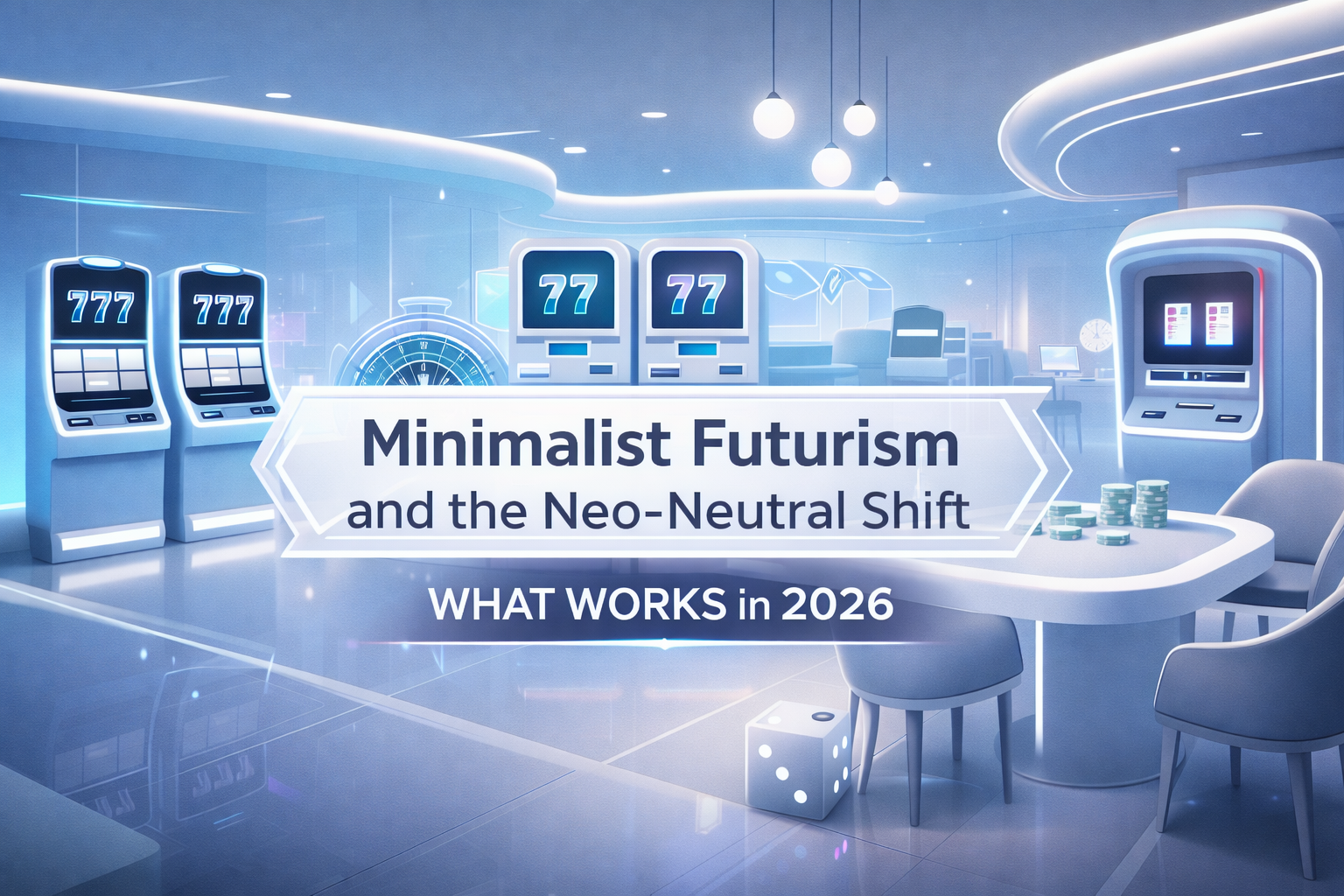
One of the most surprising trends I have seen take over in 2026 is the move toward what I call Neo-Minimalism. For years, casinos were synonymous with clutter. There were banners everywhere, flashing jackpots, and dozens of competing fonts. Today, the leading brands are stripping all of that away.
This style uses a lot of white space, or in most cases, purposeful dark space. We are seeing a massive adoption of dark mode as the default setting. Instead of harsh blacks, designers are using deep charcoal and Mocha Mousse, which is a warm, sophisticated brown that feels much more luxurious. This style relies on high-contrast typography and subtle micro-animations. When you hover over a game tile, it might slightly glow or expand with a soft shadow. This creates a tactile feeling that makes the digital interface feel expensive and responsive.
The goal here is to reduce cognitive load. I have noticed that high rollers particularly prefer these cleaner interfaces because they feel more like a private bank or a luxury lounge than a noisy arcade. It communicates that the platform is stable, secure, and focused on the quality of the games rather than the flashiness of the marketing.
The Rise of Cyber-Neon and Vaporwave 2.0
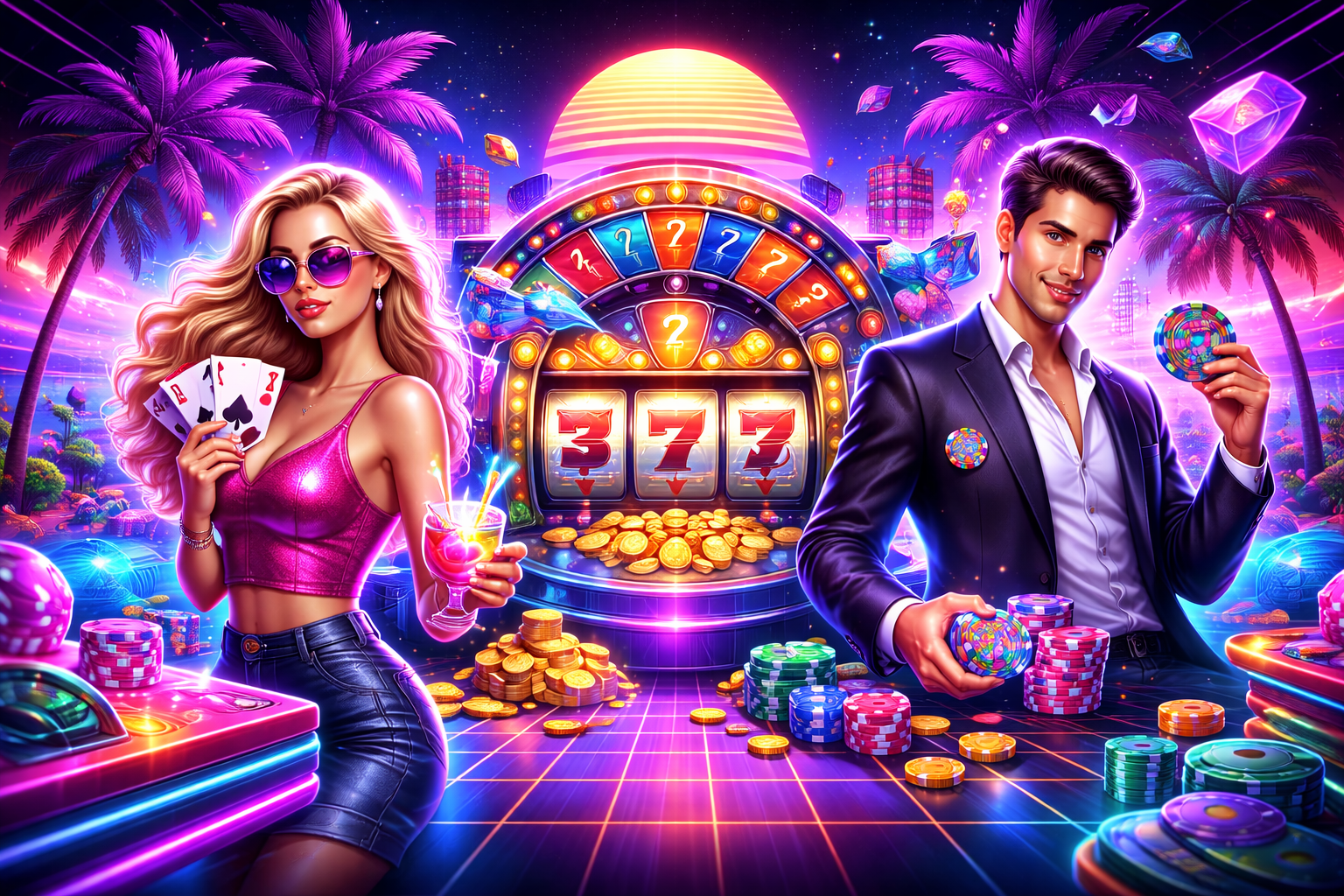
On the opposite end of the spectrum, we have the high-energy Cyber-Neon style. This is particularly popular with the younger demographic that has grown up on gaming culture and esports. This art style borrows heavily from the cyberpunk aesthetic, using saturated purples, electric blues, and hot pinks.
In 2026, this style has evolved beyond just being a bright color palette. It now incorporates complex lighting effects like Thermal Glow and Tangerine Disco. These colors are designed to look incredible on OLED screens, which most mobile players are using now. The branding often features 3D mascots or avatars that are integrated directly into the loyalty program.
I find that this style works best for platforms that focus on gamification. If your casino has quest systems, level-ups, and community leaderboards, the Cyber-Neon aesthetic provides the perfect backdrop for that “video game” feel. It is about creating a high-octane environment where every win feels like a digital explosion.
Neo-Retro: 90s Digital Nostalgia
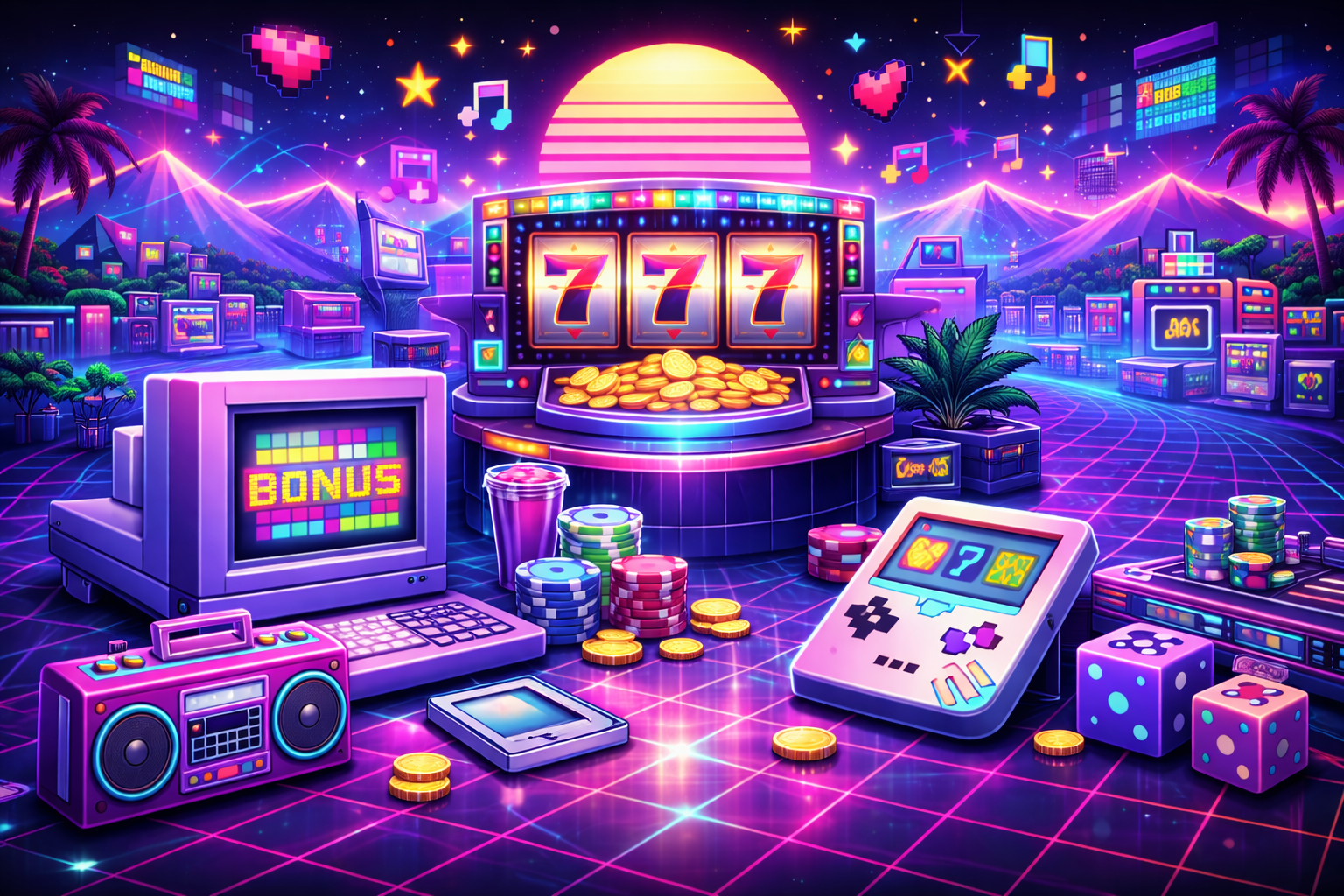
Nostalgia is a powerful tool in branding, and in 2026, we have moved past the 80s and firmly into the 90s. I am seeing a huge resurgence in pixel art, chrome textures, and UI elements that mimic early internet aesthetics but with modern resolution and speed.
This style, often called Retro-Tech, uses thick, geometric sans-serif fonts and bold, primary colors. It appeals to the 30 to 45 age bracket, people who remember the first wave of digital gaming but want the convenience of modern tech. It feels authentic and “unfiltered” compared to the highly polished corporate looks of the early 2020s.
What makes this work today is the “lo-fi” charm paired with “hi-fi” performance. You might see a slot game with a pixelated character, but the animations are running at a smooth 120 frames per second. It is a bridge between the past and the future that builds a very strong emotional connection with the user.
Comparison of Leading Art Styles in 2026
To help you visualize how these styles differ, I have put together a table that compares the four most dominant aesthetics in the industry right now.
| Art Style | Primary Vibe | Key Colors | Target Demographic | Best Use Case |
| Neo-Minimalism | Luxury, Trust | Mocha Mousse, Sage, Gold | High Rollers, 40+ | Live Dealer, Sportsbook |
| Cyber-Neon | High Energy, Social | Magenta, Cyan, Volt Green | Gen Z, Mobile Gamers | Slots, Crash Games |
| Retro-Tech | Nostalgic, Playful | Chrome, Pixel Red, Cobalt | Millennials, 35-50 | Arcade Games, Bingo |
| Biophilic | Calm, Ethical | Terracotta, Clay, Forest | Wellness-focused players | Poker, Strategy Games |
Biophilic Design and the “Safe Space” Aesthetic
A trend that has gained significant momentum recently is Biophilic design. This involves using natural textures, organic shapes, and earthy tones like eucalyptus green and warm sand. You might wonder why a casino would want to look like a botanical garden. The answer is trust and responsible gaming.
In 2026, there is a much heavier focus on player well-being. Brands that look “organic” feel more human and less like a cold machine designed to take your money. I have seen several major operators refresh their branding with soft edges, watercolor textures, and even ambient nature sounds in their UI.
This style is especially effective for poker rooms or strategy-based games where players spend long periods of time on the site. It reduces eye strain and creates a calming atmosphere that encourages thoughtful play rather than impulsive betting. It is a brilliant way to align a brand with modern values of sustainability and mental health.
Technical Elements of 2026 Casino Branding
Beyond the colors and the fonts, there are several technical elements that every successful casino brand must incorporate this year. I always tell my clients that a beautiful brand that is slow is a failing brand.
-
Mobile-First PWA Identity: Most players are using Progressive Web Apps. The branding must look like a native app, with bottom navigation bars and thumb-friendly buttons.
-
Micro-Animations: These are small visual cues, like a button that “breathes” or a progress bar that glows when you get close to a goal. They provide vital feedback to the user.
-
AI-Generated Personalization: Some platforms are now using AI to slightly shift the color palette or the hero images based on the player’s history. If you play mostly horror-themed slots, the UI might take on a darker, grittier tone.
-
3D Digital Twins: For land-based resorts with an online presence, 2026 is the year of the 3D twin. Players can walk through a digital version of the physical casino floor to find their favorite games.
-
Variable Typography: Brands are using fonts that can change weight or width dynamically. This ensures that the text is perfectly readable on every screen size, from a smart watch to a 4K monitor.
The Role of 3D Mascots and Character Branding
One final trend I cannot ignore is the return of the brand mascot. In the mid-2000s, mascots were common, but they were often cheap cartoons. In 2026, they are high-fidelity 3D characters with their own backstories and personalities. These mascots often act as a guide through the casino’s gamification layers.
I have seen mascots that “evolve” as the player reaches higher VIP tiers. This creates a sense of companionship and progress. It turns the casino from a static tool into a living world. When a player recognizes a character, they are more likely to return to that specific platform because it feels familiar and welcoming.
Summary of 2026 Trends
As we have seen, the art styles of 2026 are diverse, but they all share a common goal: creating an immersive, emotional experience. Whether it is the sleek luxury of Neo-Minimalism or the nostalgic charm of Retro-Tech, the focus is on the player’s journey.
-
Dark Mode is the Standard: It saves battery, looks premium, and reduces eye strain.
-
Color Matters: Using trending palettes like Mocha Mousse or Tangerine Disco sets a modern tone.
-
Trust through Design: Biophilic and Minimalist styles help build long-term relationships with players.
-
Gamification is Visual: Use Cyber-Neon and 3D mascots to make the loyalty experience feel like a game.
-
Performance is Part of the Art: If the animations aren’t smooth, the branding fails.
The most successful brands this year are those that pick a specific lane and execute it with total consistency across their website, app, and social media. The days of generic gambling sites are over. In 2026, you are either a lifestyle brand or you are invisible.
If you are an operator or a designer looking to refresh your identity, I suggest starting with your core audience. Ask yourself what kind of “world” they want to inhabit when they play. Once you have that answer, use these 2026 trends to build a visual language that speaks directly to them.